About the Dictionary of the Tuvaluan Language and Culture
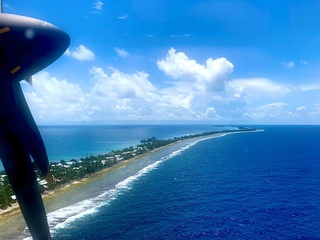
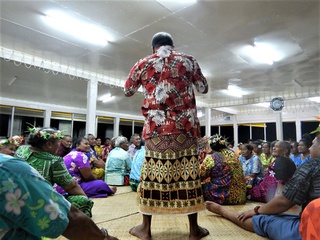
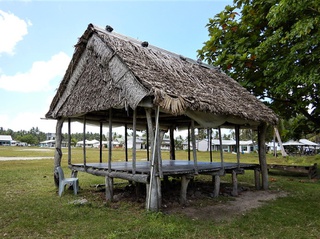
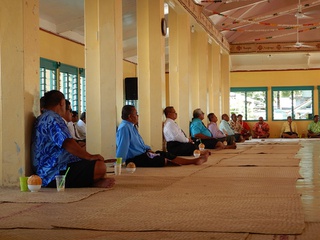
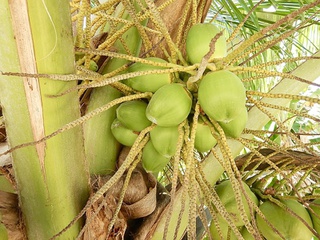
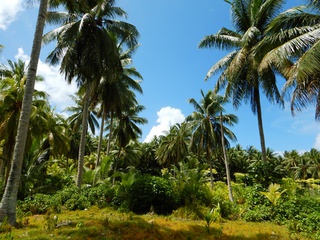
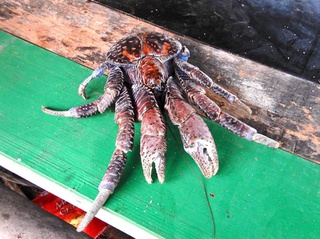
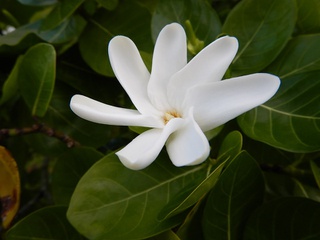
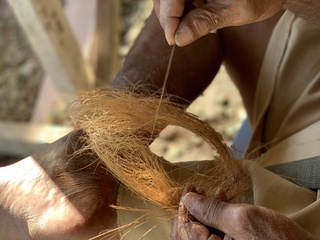
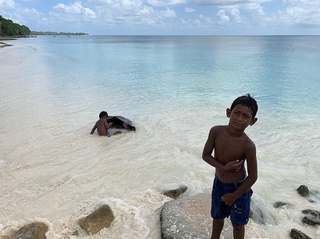
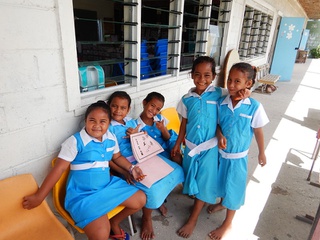
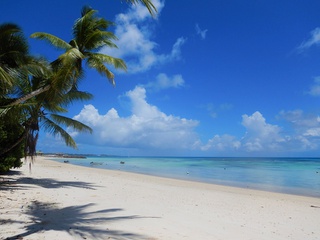
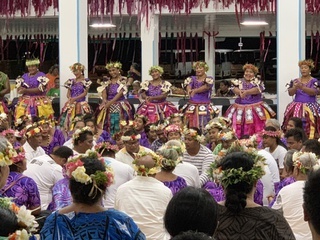
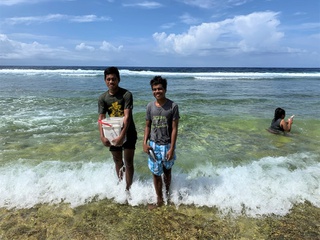
This online dictionary introduces the language and culture of Tuvalu, a beautiful island nation in Polynesia. The word lists, which are currently available mostly in Japanese, partly in English, sometimes explain words with photos and illustrations, placing importance on perceiving vocabulary in the daily lives of the Tuvaluan people. On the top page, we have several columns on the language, culture, and customs. All the words in this dictionary have been collected by Hiroshi Tachibana (Hilosi Tativana i fakaTuvalu), a professor at Kinjo Gakuin University in Japan, by interviewing people and researching the previous works on the Tuvaluan language and culture. I would like to express my gratitude to all the people who have always been supporting me.
There may be some words that have deficient or inadequate explanations because this study has not been completed yet and is still ongoing. Especially, the English version is still a work in progress. The contents of the dictionary will be updated from time to time. If there are any particular points to highlight, then I would appreciate it if you could inform me of it.
Abbreviations Used in the Dictionary
Members
-
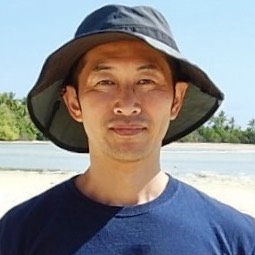 Hilosi Tativana (Tachibana, Hiroshi)Kinjo Gakuin University
Department of English
Professor -
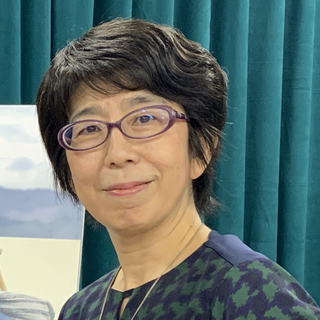 Isumi Hosi (Hoshi, Izumi)Tokyo University of Foreign Studies
The Research Institute for Languages and Cultures of Asia and Africa
Professor
Research grants
The contents of this web site are a product of four research projects:
- 2017 Kinjo Gakuin University Parent-Teacher Association Research Grant “Language Attitudes and Language Education Policies of the Tuvaluan Immigrants in New Zealand”
- 2018 Kinjo Gakuin University Research Grant “Language and Environment among Tuvaluans: Effects of Migration to an English-Speaking Society on the Linguistic Ecology”
- the 2020 TUFS ILCAA IRC project “A Tuvaluan Lexicon of the Coconut Culture”
- the 2021-2022 TUFS ILCAA IRC project “Creating an Online Version of a Dictionary of the Tuvaluan Language and Culture”

Special Thanks to
The Maliga family, the Nakala family, Temetiu Maliga, Meleata Nakala, Siliga Tala, Vaeoo Ieti, Afasene Laitailiu, Chika M., Edwin Vavasa, Elika Pepeuga, Filipo Malosi, Filogia Taliu, Fineaso Tehulu, Ieti Vaiolini, Kapuafe Lifuka, Kyoko Kawajiri, Launiu Pelosi, Mahafe Nakala, Maina Talia, Makoto Kopai Kobayashi, Malia Ipitoa, Mesela Taaku, Mileta Pelosi,, Natsuyo Natu Monden, Saga Malua, Sofala Lafita, Suamalie Naisali, Sunema Simati, Taaku Taaku, Talaifina Maliga, Talesi Singkiang, Talia Salasopa, Tavita Tala, Tefatu Panapa, Tepuu Tangisia Kilei, Teuki Seniola, Vaelei Vaelei,