Te Tikisionale o te Gana Tuvalu mo Faifaiga mo Iloga Fakatuvalu
A Dictionary of the Tuvaluan Language & Culture
TUVALU:
te gana,
tu mo faifaiga
mo iloga
JP
EN
menu
close
Lexicon Search
search
search
more than 2 letters
Tuvaluan Dictionary Categories
Human
Family, Kinship
The Human Body
Head
Body, Whole
Arms
Legs
Inside of the Body
Physiological Phenomena
Relationships
Mind, Feelings, Thoughts
Personality, Attitude, Behavior
Senses
Appearance
Identity
Life and Death
Health
Illness
Injury
Treatment
Symptoms, Health Conditions
Physical Handicap
Job, Work
Dance, Feast
Hobbies, Entertainment
Entertainment
Sports
Music, art
Housing Culture
House
Furniture, Bedding
Cleaning
Food Culture
Grains, Staple Foods
Meats
Fishes
Crabs, Shells
Tubers
Fruits, Nuts, Vegetables
Seasonings
Drinks
Cooking, Conditions of Food
Tastes
Smells
Tools
Tableware, Containers, Cutlery
Meals
Clothing Culture
Modern, General
Traditional
Ornaments
Sewing
Daily Necessities
Fire, Water
Fire
Water
Fishing, Hunting
Coconuts
General
Stages of Growth (Tree, Leaf)
Parts, States (Tree, Leaf)
Processed Tree/Leaf
Stages of Growth (Fruit)
Parts, States (Fruit)
Processed Fruit
Cooking
Sap
Verbs
Adjectives, Adverbs
Creature
Animals
Land animals
Domestic Animals
Mammals
Birds
Insects
Crustaceans
Reptiles
Amphibians
Sea Animals
Coral Reefs Fishes
Rocky and Shallow Water Fishes
Offshore Fishes
Others
Plants
Woody Plants (lakau)
Herbaceous Plants (mouku)
Cultivation
Plant Parts, Others
Nature and Geography
Weather, Climate
Environment
Disaster
Sea
Land
Celestial Bodies
Earth and Minerals
Light and Sound
Time
Day
Week
Month
Month (traditional)
Month (Loan Words)
Year
Time and Frequency
Holidays
Seasons
Numerals
Quantity and Calculation
Numbers
People
Coconuts
Tall Trees
Rocks, Stones
Lines, Rows
Canoes, Boats
Clothes
Birds
Local Mats
Pulakas, Taros
Small Fish
Fish Caught by Rod (kofe)
Fish Caught by Net (kupega)
Countries and Society
Islands of Tuvalu
Countries and Cities
Public Facilities
Politics, Religion
Education
Language
Money
Colours
Shapes
Vehicles
War and Fighting
Directions, Locations
General Things and Concepts
Action and Movement
Countries, Islands
Connecting and Disconnecting
Transformation
Cutting and Breaking
Giving and Receiving
Beginning and Ending
Daily Activities
Mental Activity
Nature of Things, Conditions
English Loanwords
Pronouns
Personal
Singular
Dual
Plural
Personal (Possessive)
First Person
Singular
Dual
Plural
Second Person
Singular
Dual
Plural
Third Person
Singular
Dual
Plural
Demonstrative
Single Object
Plural Object
Indefinite
Interrogatives
Prepositions
Adverbs, Conjunctions, etc.
Articles
Interjection
Verb Markers
Modality and Mood
Aspect and Tense
Negatives
Useful Expressions
Greetings
Daily Expressions
Verbs
Adjectives
Lexicon Search
search
search
Topic Category
Human
Family, Kinship
The Human Body
Head
Body, Whole
Arms
Legs
Inside of the Body
Physiological Phenomena
Relationships
Mind, Feelings, Thoughts
Personality, Attitude, Behavior
Senses
Appearance
Identity
Life and Death
Health
Illness
Injury
Treatment
Symptoms, Health Conditions
Physical Handicap
Job, Work
Dance, Feast
Hobbies, Entertainment
Entertainment
Sports
Music, art
Housing Culture
House
Furniture, Bedding
Cleaning
Food Culture
Grains, Staple Foods
Meats
Fishes
Crabs, Shells
Tubers
Fruits, Nuts, Vegetables
Seasonings
Drinks
Cooking, Conditions of Food
Tastes
Smells
Tools
Tableware, Containers, Cutlery
Meals
Clothing Culture
Modern, General
Traditional
Ornaments
Sewing
Daily Necessities
Fire, Water
Fire
Water
Fishing, Hunting
Coconuts
General
Stages of Growth (Tree, Leaf)
Parts, States (Tree, Leaf)
Processed Tree/Leaf
Stages of Growth (Fruit)
Parts, States (Fruit)
Processed Fruit
Cooking
Sap
Verbs
Adjectives, Adverbs
Creature
Animals
Land animals
Domestic Animals
Mammals
Birds
Insects
Crustaceans
Reptiles
Amphibians
Sea Animals
Coral Reefs Fishes
Rocky and Shallow Water Fishes
Offshore Fishes
Others
Plants
Woody Plants (lakau)
Herbaceous Plants (mouku)
Cultivation
Plant Parts, Others
Nature and Geography
Weather, Climate
Environment
Disaster
Sea
Land
Celestial Bodies
Earth and Minerals
Light and Sound
Time
Day
Week
Month
Month (traditional)
Month (Loan Words)
Year
Time and Frequency
Holidays
Seasons
Numerals
Quantity and Calculation
Numbers
People
Coconuts
Tall Trees
Rocks, Stones
Lines, Rows
Canoes, Boats
Clothes
Birds
Local Mats
Pulakas, Taros
Small Fish
Fish Caught by Rod (kofe)
Fish Caught by Net (kupega)
Countries and Society
Islands of Tuvalu
Countries and Cities
Public Facilities
Politics, Religion
Education
Language
Money
Colours
Shapes
Vehicles
War and Fighting
Directions, Locations
General Things and Concepts
Action and Movement
Countries, Islands
Connecting and Disconnecting
Transformation
Cutting and Breaking
Giving and Receiving
Beginning and Ending
Daily Activities
Mental Activity
Nature of Things, Conditions
English Loanwords
Pronouns
Personal
Singular
Dual
Plural
Personal (Possessive)
First Person
Singular
Dual
Plural
Second Person
Singular
Dual
Plural
Third Person
Singular
Dual
Plural
Demonstrative
Single Object
Plural Object
Indefinite
Interrogatives
Prepositions
Adverbs, Conjunctions, etc.
Articles
Interjection
Verb Markers
Modality and Mood
Aspect and Tense
Negatives
Useful Expressions
Greetings
Daily Expressions
Verbs
Adjectives
home
Category Search - A Dictionary of the Tuvaluan Language & Culture
Coconuts > Processed Tree/Leaf
«
Previous
1
2
(current)
3
»
Next
22 Entries
Tuvaluan
日本語/English
Notes
kapau
volume_up
n.
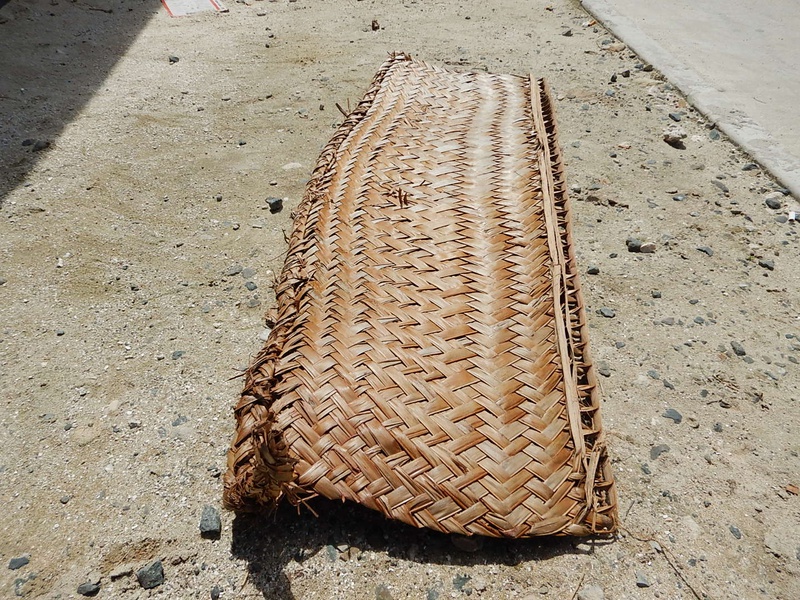
type of local mat made from dried coconut fronds (used to place under the better quality mats, also used for blinds)
名
良質なゴザの下に敷くための乾燥したココヤシの葉で作ったマット
lama
volume_up
n.
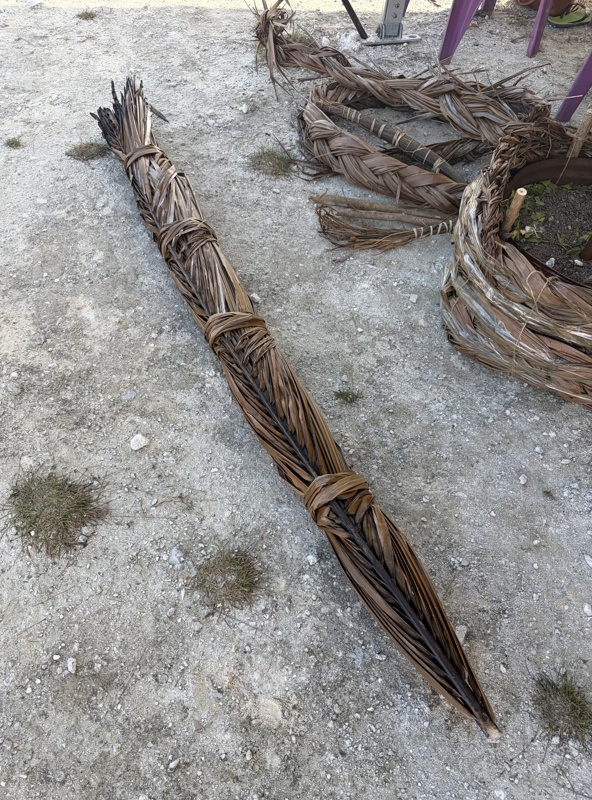
local torch, made from coconut fronds, part of local dancing skirt made from coconut leaves
名
乾いたココヤシの複葉(
kaulama
)を束ねてつくるたいまつ,伝統舞踊のスカートに用いるココヤシの葉
豚の毛焼き用のたいまつにする.かつてはトビウオ漁の際のたいまつにも用いた.
puipuiafā
volume_up
n.
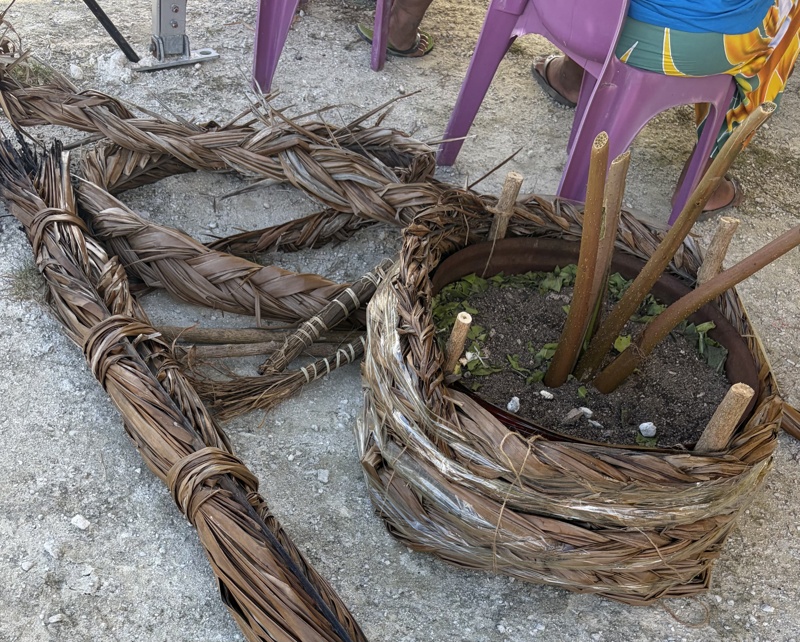
windbreak, fence made from coconut fronds in preparation for strong wind
名
強風に備えてココヤシの葉でつくる防風フェンス
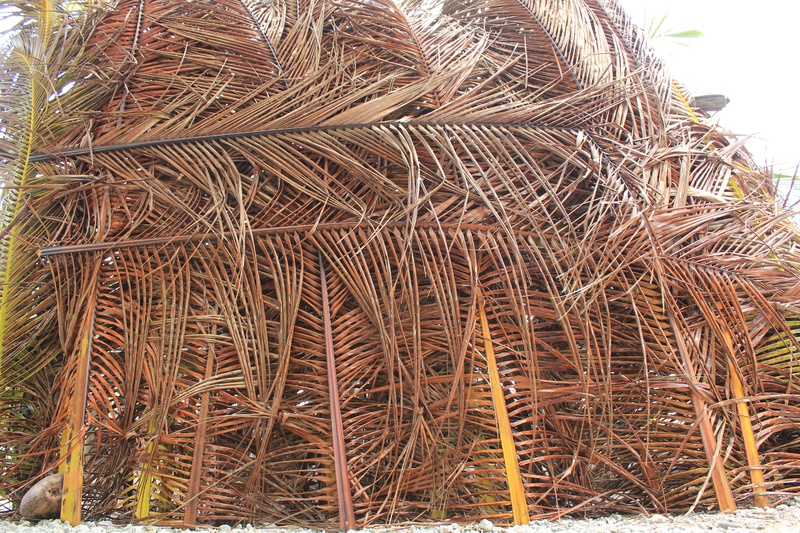
puipui (protect) + afā (strong wind). See also:
āmatagi
.
puipui(守る)+ afā(強風). [参]
āmatagi
.
āmatagi
volume_up
n.
windbreak, fence made from coconut fronds in preparation for strong wind
名
強風に備えてココヤシの葉でつくる防風フェンス
ā (fence) + matagi (wind). See also:
puipuiafā
.
ā(フェンス)+ matagi(風). [参]
puipuiafā
.
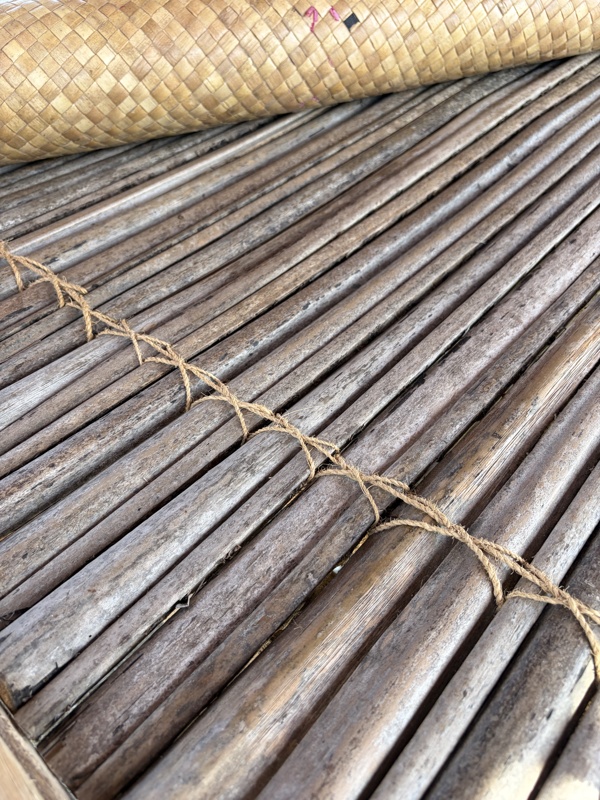
kaulafo
volume_up
n.
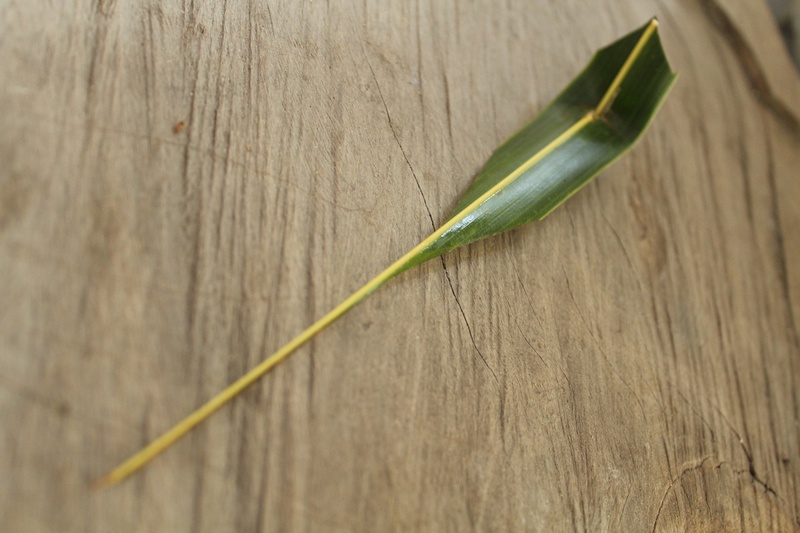
midrib of coconut with leaves stripped off
名
葉を取り除いたココヤシの複葉の軸
Used as flooring material
床材として用いる.
kaulama
volume_up
/ kumaga
volume_up
/ launiu pakupaku
volume_up
n.
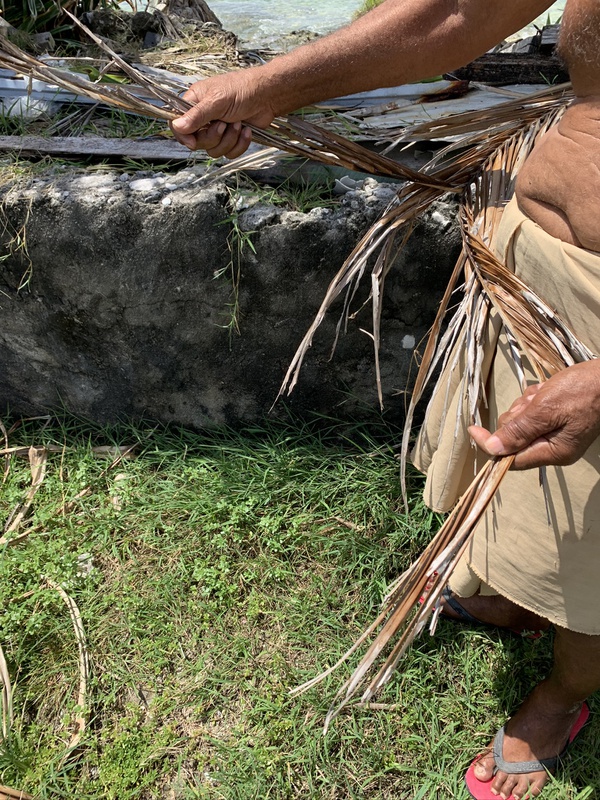
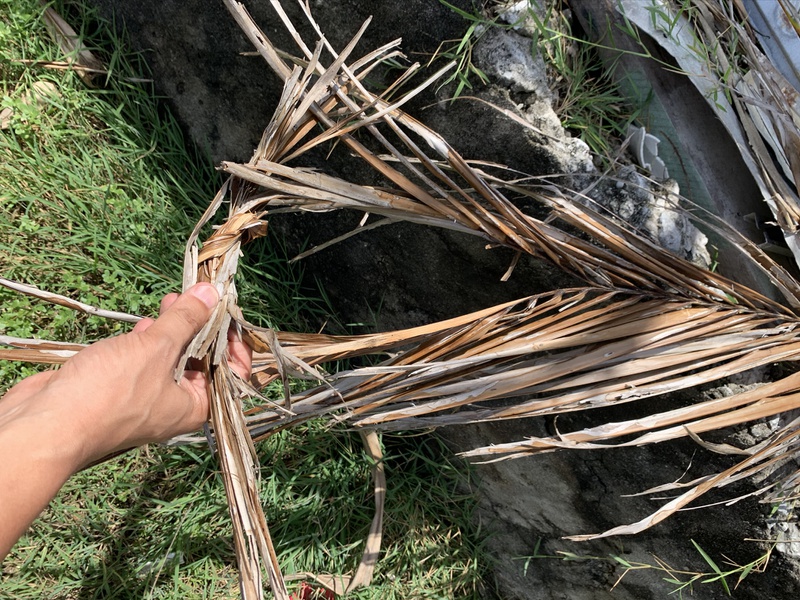
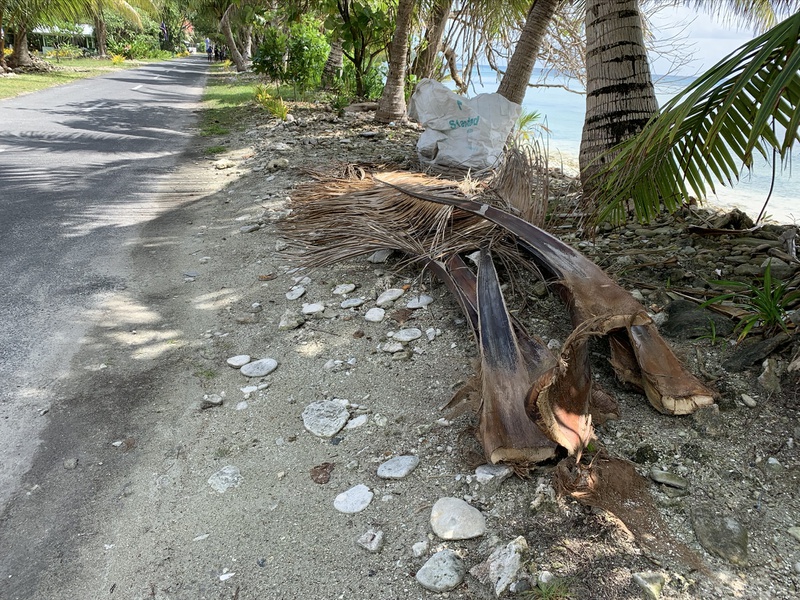
dried coconut leavesdried coconut leaves that are tied together to form a torch (used to burn hair off pigs)
名
乾燥した茶色のココヤシの葉
伝統舞踊のスカート(
titi
)やたいまつ(
lama
)をつくるのに用いる.
pekapeka
volume_up
n.
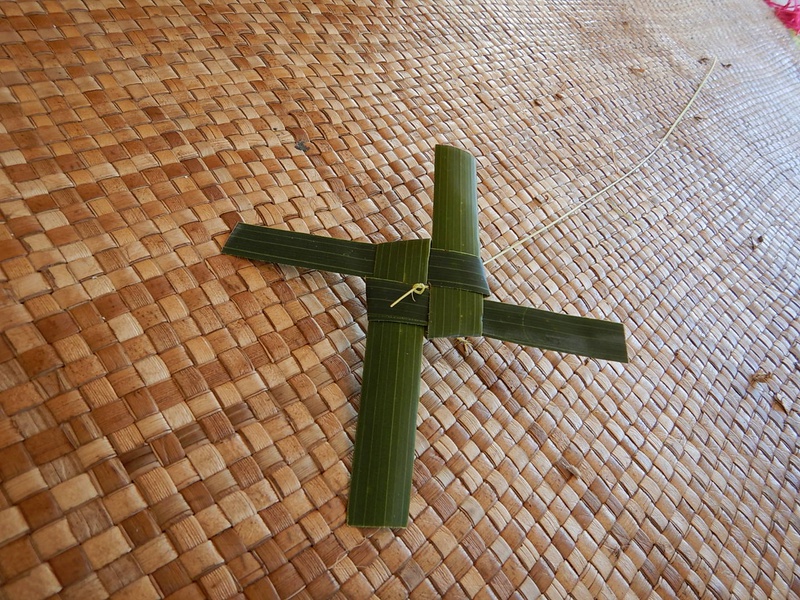
small windmill (toy) made from coconut leaves
名
ココヤシの葉で作った玩具の風車
ココヤシの小葉に中肋
kautuāniu
を刺してつくる
fakakaleke
volume_up
名
ココナツをひっかけて取るためにココヤシの葉状体の中心を割いて先端で結んで輪にしたもの
ナヌメア島で用いられる語
māmata
volume_up
名
ココヤシの苞(
taume
)の先端を切り落としてヤシ汁(
kaleve
)をとる際に導線として用いるココヤシの小葉
tapui
volume_up
/ niu tapu
volume_up
n.
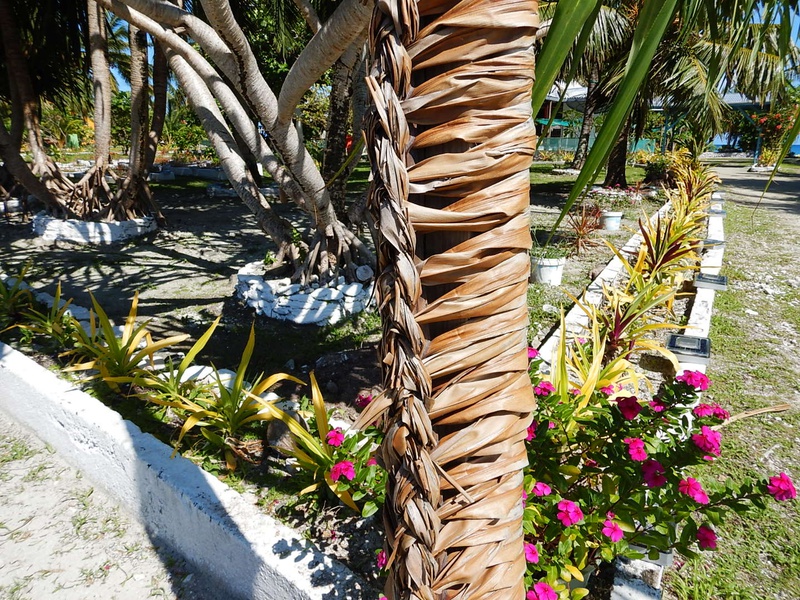
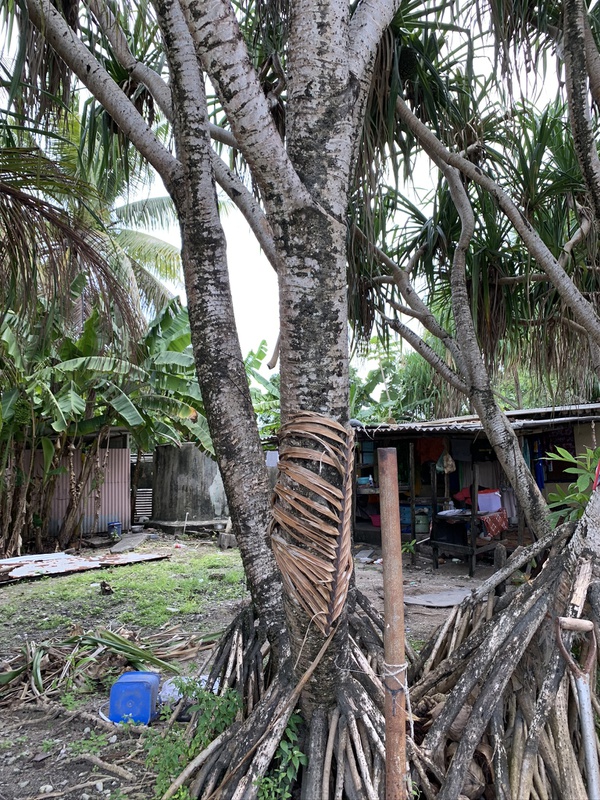
the coconut tree tied with a coconut leaf indicating that no one is allowed to climb and collect the fruits or cut leaves from it (Falefou 2017)
名
切りとった葉身を巻きつけたココヤシの幹,また幹に巻き付けた葉身
一家の重要なココヤシに切りとった葉身を巻き付け,登ったり実を採ったりすることを禁じる目印にする.(敷地の境界線を示す場合や,単に装飾の場合もある)
«
Previous
1
2
(current)
3
»
Next
keyboard_arrow_up